
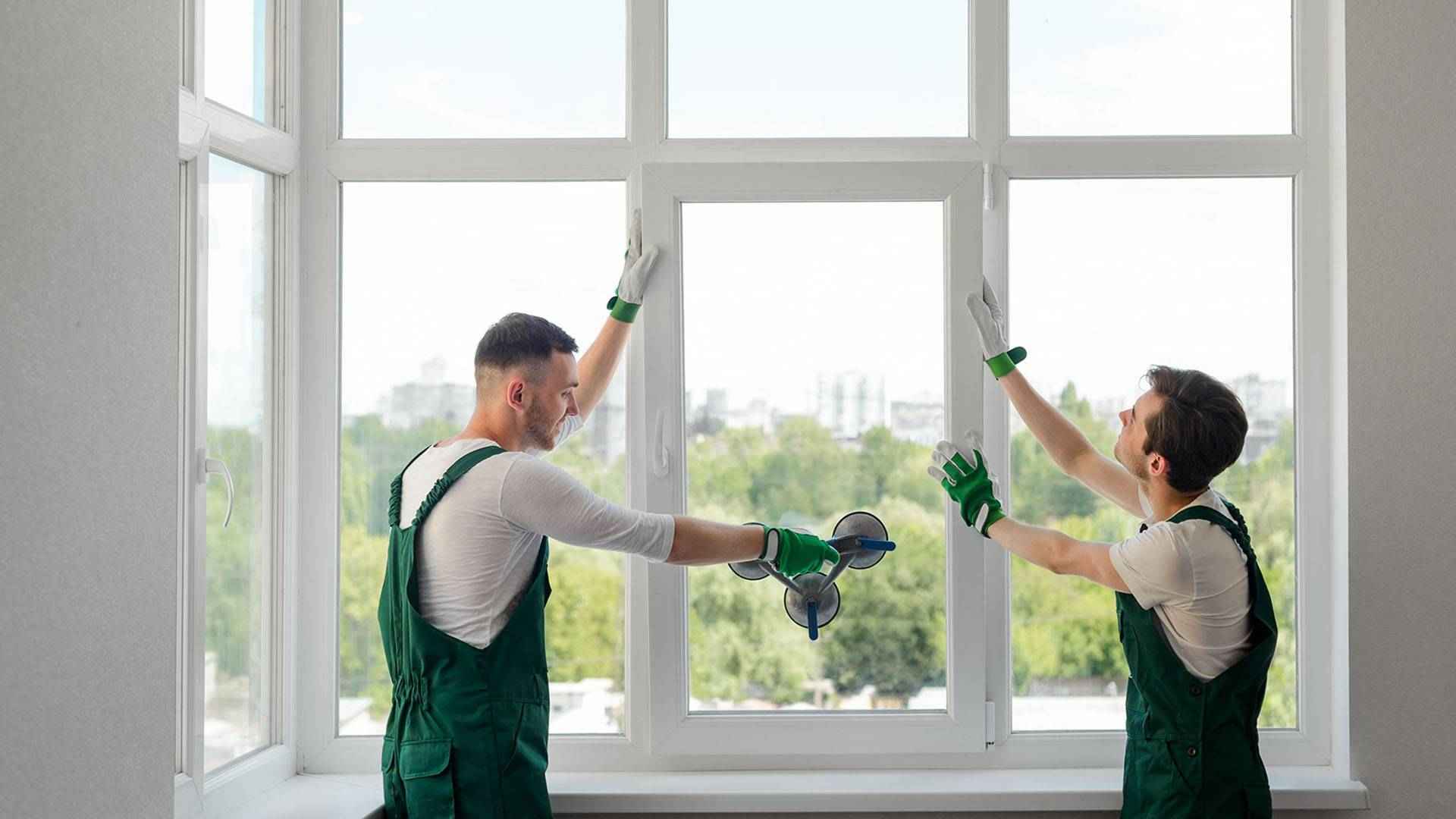
Energy-efficient patio doors reduce the heat loss in winters and prevent heat gain from outside in summer, lowering energy costs. Whether you choose double-pane or triple pane doors, energy efficient doors reduce drafts and temperature swings through e-coatings, gas-fills, weather stripping and solar control glazing. Look for Energy-Starr ratings when choosing a patio door, suitable for your home. Energy-efficient upgrades improve your home value and reduce environmental impact all while maintaining a comfortable indoor environment.
- Understanding How Energy-Efficient Patio Doors Conserve Energy and Reduce Costs
Are you considering upgrading your home’s energy efficiency? Modern, energy-efficient patio doors can help lower heat transfer and result in lower energy costs round the year. An eco-friendly upgrade, energy-saving patio doors help maintain indoor temperatures, offer comfort and reduce carbon footprint, making your home stand out in the property market. Green renovations provide noise reduction, long-term value and create a healthier home environment.
| Did you know?The air or gas-filled space between the two layers of double-glazed patio doors limits heat transfer during winter and prevents heat gain during summer, providing a perfect layer of insulation for your home. |
Here is your guide to understanding how energy-efficient patio doors can help reduce energy costs.
- Choosing between a Double and a Triple-Pane Door
A double or triple-pane patio door can help boost your home’s energy efficiency and lower heating and cooling costs. Multiple layers of glass with a gas-filled inner core reduce heat transfer and help stabilize indoor temperatures. Go for double pane if your climate is moderate. Choose a triple-pane door with a better R-value if you live in an extreme climate and want better thermal insulation.
- E-Coatings For Patio Doors
Low-emissivity glass coatings are thin , transparent, metallic layers that help reflect solar heat all while allowing light inside. Reducing drafts and cold spots nearby, low coatings also reduce indoor fading of floors, furniture and window coverings. You can cut out harsh UV rays and make your interiors comfortable with patio doors with low-e coatings.
| Important factThe National Fenestration Rating Council Ratings (NFRC) label can help you compare the energy performance of various doors, windows and skylights. |
- Gas-Filled Patio Doors
Krypton and argon are filled inside glass layers to form a thermal barrier. Gas-filled doors form an insulating layer, reducing the strain on your HVAC system, resulting in increased energy efficiency and lower heating and cooling costs.
- Weather Stripping
Compression seals and high-quality weather stripping help prevent drafts, leaks, and water infiltration, offering a sealed and cozy indoor environment.
- Warm Edge Spacers
Warm edge spacers between the edges of glass panels, made from silicone, plastic composites or ultra-thin aluminum strips, are poor heat conductors and offer added insulation through reduced heat transfer. They also help minimize condensation on glass, reducing humidity and preventing mold growth.
- Solar Control Glazing
High-performance glazing reduces the amount of solar heat entering your environment, resulting in a cooler indoor environment. By reducing the G-value or the solar factor, energy-efficient patio doors optimize your HVAC performance and lower heating and cooling costs.
- Patio Door Frame Materials
| Door Type | U-factor | Solar Heat Gain Coefficient (SHGC) | Air Leakage(Cubic feet per meter per square foot, cfm/ft2) |
| Fiberglass | The best and the lowest, around 0.22 | Around 0.18, the lowest thermal conductivity | Low ratings with high-end designs(0.01-0.05) |
| Vinyl | Good, 0.30 | Around 0.25, low heat transfer | Around 0.3, it provides excellent air tightness. |
| Aluminum (Clad) | 0.25Standard has poor ratings | Around 0.2, it can transfer heat unless equipped with thermal breaks | Around 0.3 with thermal breaks |
| Steel | 0.18Basic performs poorly | Less efficient, can absorb heat in the sun | Depends on core insulation and weather stripping |
| Wood (clad) | 0.28 | 0.27, naturally resists heat | New are energy efficient, susceptible to warping |
- Conclusion
Energy-efficient patio doors help decrease your heating and cooling costs by utilizing e-costings, gas-filled panes, weather stripping, warm edge spacers and solar control glazing. Double-pane glass doors with low coatings and argon/krypton-filled gases perform the best and reduce heating and cooling costs. Choose frame materials that suit your local weather conditions. Consultation with a professional service can help you decide the best door type for your patio.
- FAQs
How long does it take to replace and install a new energy-efficient patio door?
Depending on the size and condition of your door and the frame, it typically takes between 2 to 6 hours.
What should I consider when replacing my energy-efficient door?
Consider the age and the condition of your existing door. If you notice signs of visible damage such as cracks, warps, or sticking doors, and if your door is more than 15 years old, start searching your options.
What are the different types of patio doors?
The three types of patio doors are French, bifolding and sliding doors, each offering distinct advantages